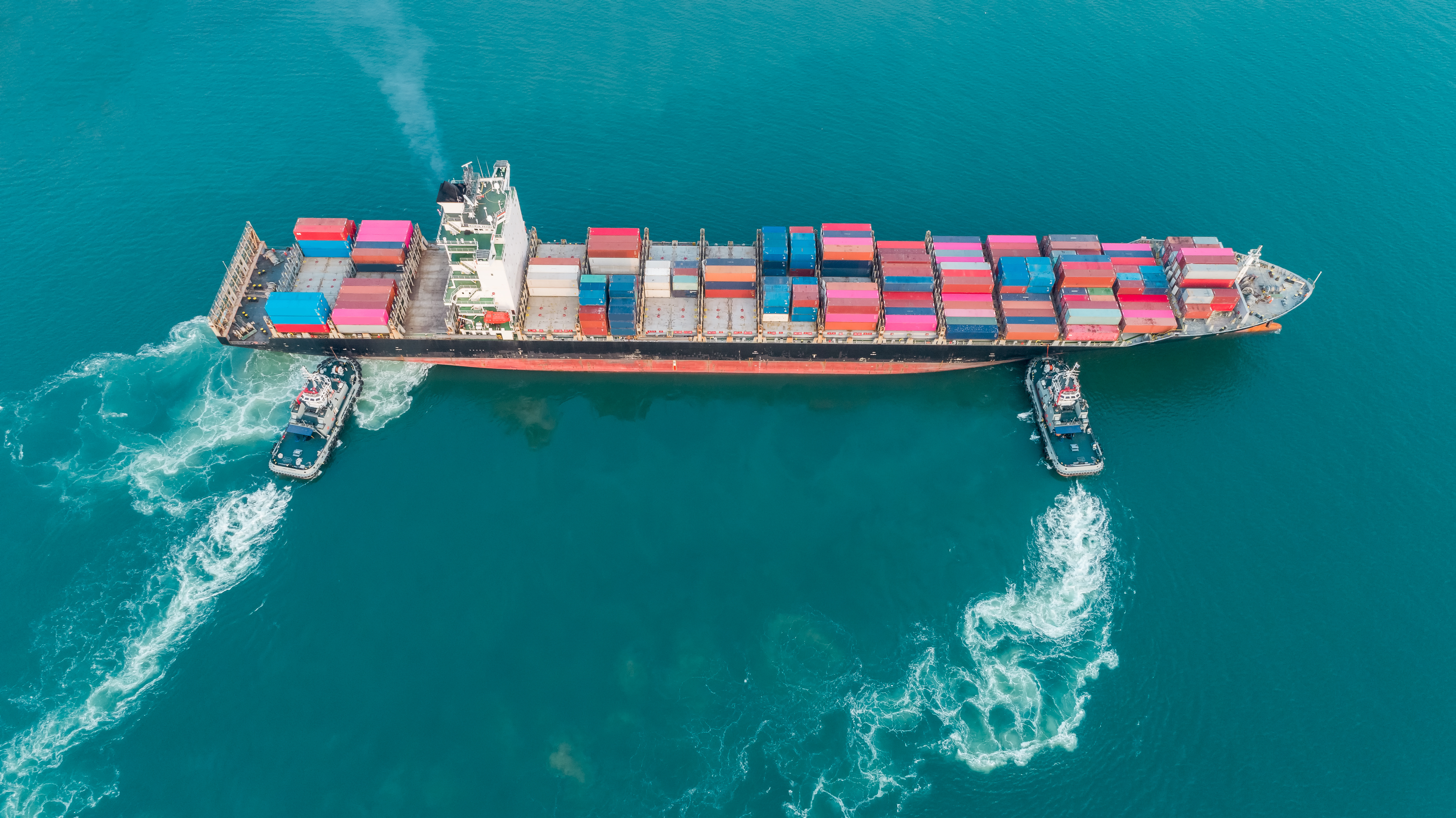
PROJECTS
Below is a selection of 25 projects that are carried out working for various clients within the energy sector operating globally within the last 10 years. Most of these project include the complete project lifecycle, including the proposal stage,client interaction, analysis, reporting and feedback sessions. We are able to provide full capability statements and project references upon request.
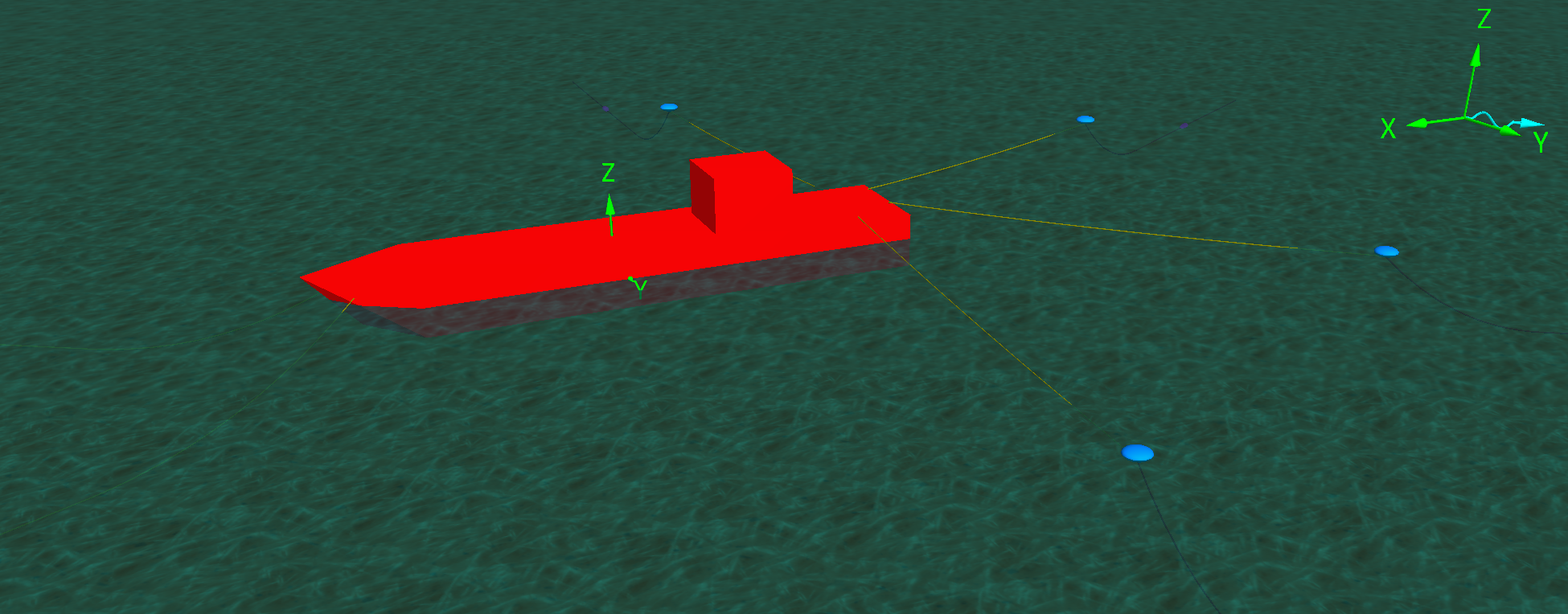
Conventional Buoy Mooring Analysis
Time domain analysis to obtain downtime estimates of concept designs. 10 year hindcast data was binned to obtain input environmental conditions (wind, wave, current)
Year: 2025
Commodity: RGP tanker
Software program(s): AutoCAD, OrcaFlex
Product: Mooring Analysis (Dynamic)
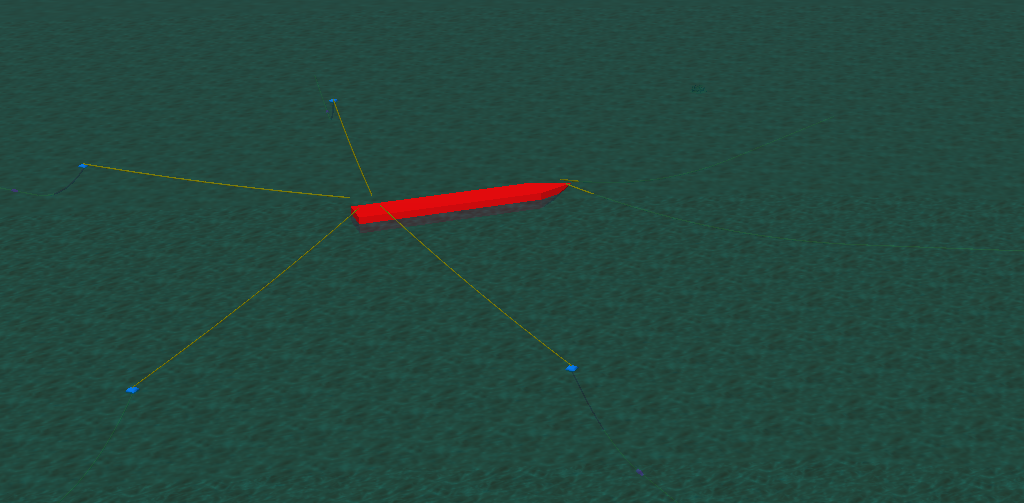
Conventional Buoy Mooring Analysis
Time domain Mooring assessment to designing pipeline end manifold (PLEM) location based on manifold envelope using various return periods.
Year: 2024
Commodity: LPG tanker
Software program(s): AutoCAD, OrcaFlex
Product: Mooring Analysis (Dynamic)
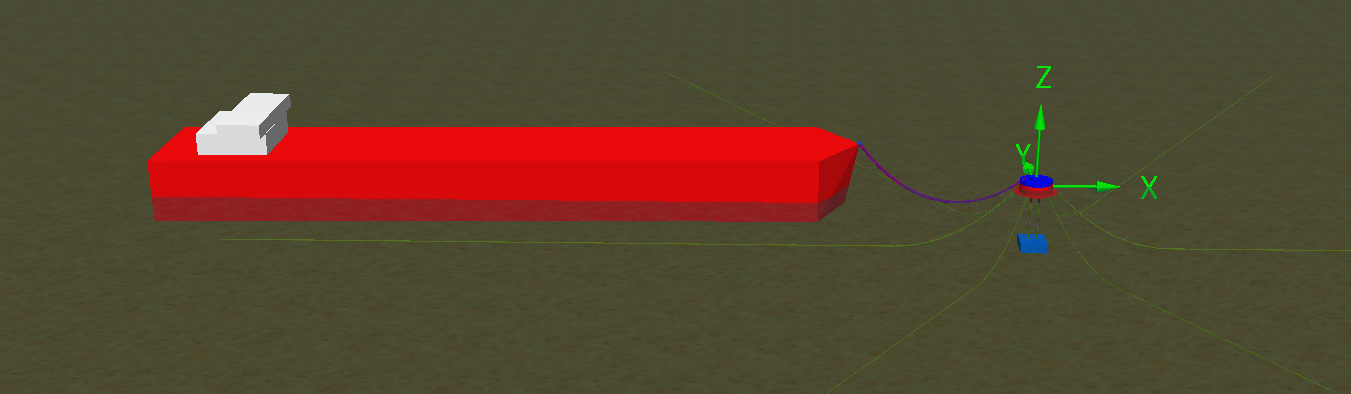
Single Point Mooring Analysis
A mooring assessment is carried out as part of FEED to determine the preliminary design of the SPM facility, i.e., size buoy, anchor chains specifications, loads on PLEM connections and required hawser specifications.
Year: 2023
Commodity: LPG tanker
Software program(s): AutoCAD, OrcaFlex
Product: Mooring Analysis (Dynamic)
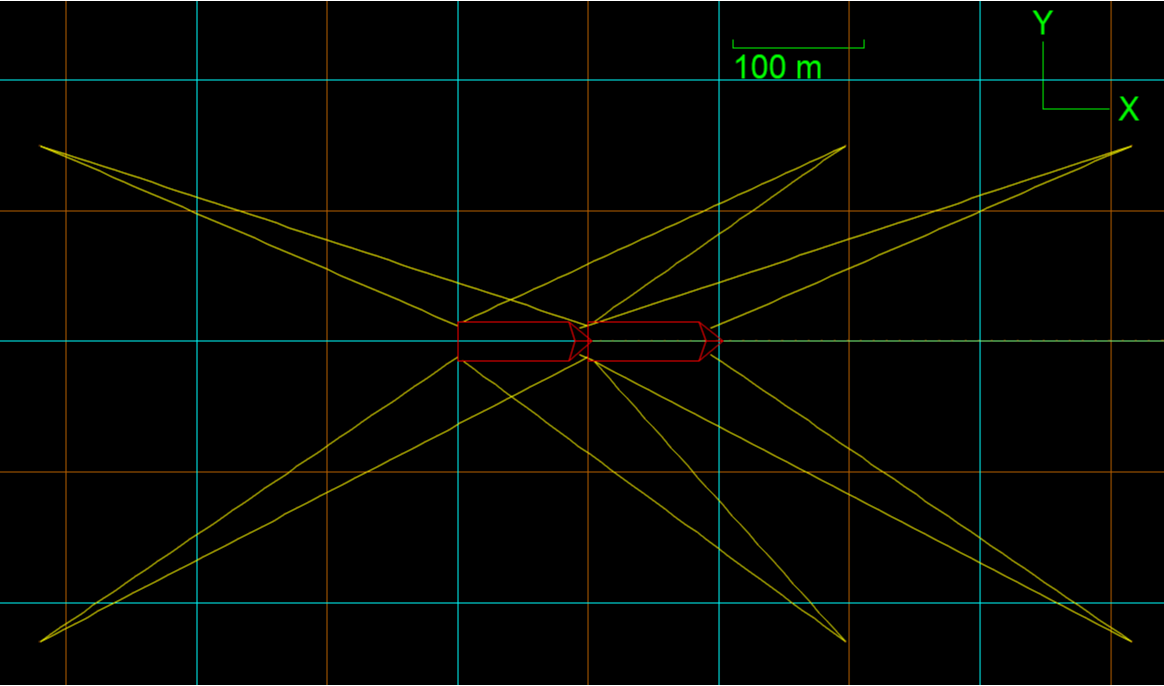
Catenary Offshore Mooring Analysis
A mooring assessment has been performed in ultimate (intact) and accidental limit (line failure) state due to wind, wave, current loading to determine operability limits of catenary moored vessel within a fixed corridor. Two position within the operation have been evaluated.
Year: 2022
Commodity: Heavy Transport
Software program(s): AutoCAD, OrcaFlex
Product: Mooring Analysis (Dynamic)
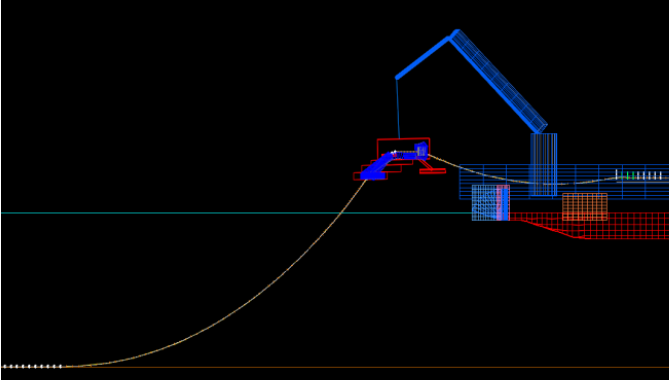
Plough installation analysis
Determining operability limits (Hs,Tp) during weather restrictied plough Launch & Recovery at various stages of the operation (lifted, splash zone, lowered at seabed). Checking cable curvature, tension, side wall pressure and dynamic crane load.
Year: 2022
Commodity: Cable Lay Vessel
Software program(s): AutoCAD, OrcaFlex
Product: Installation analysis
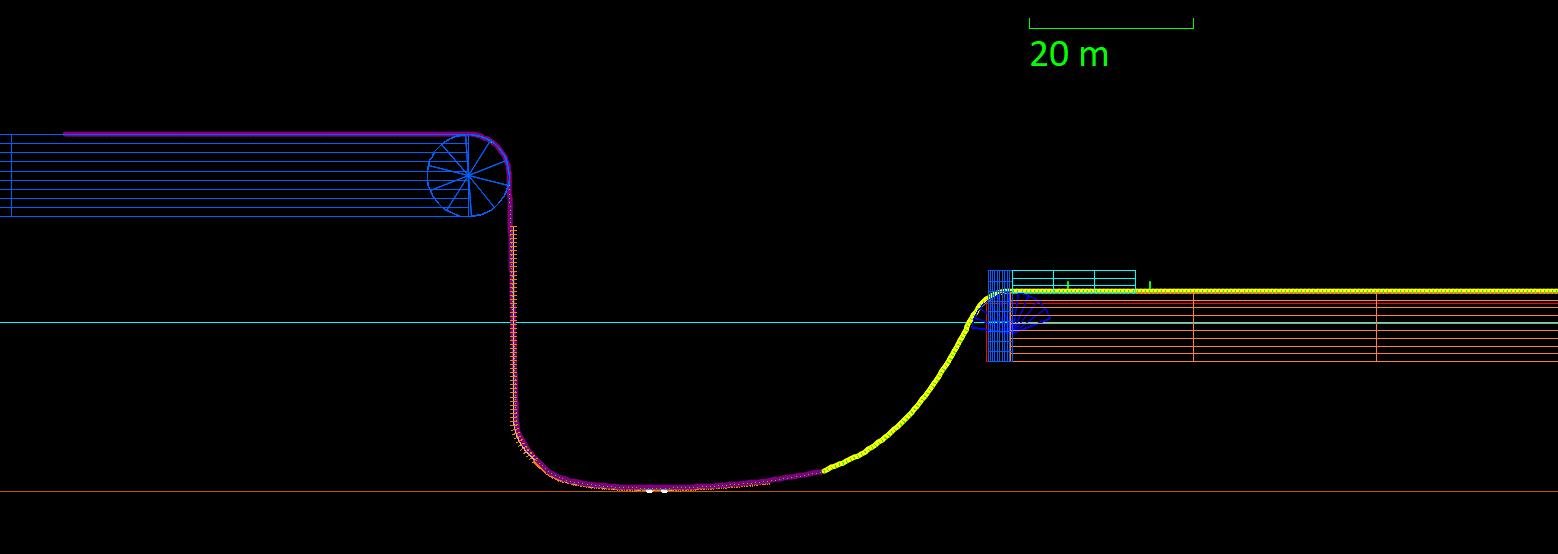
Cable Pull-in Analysis (1st end)
Cable 1st end pull in analysis to determine operability limits (Hs,Tp) during cable installation from vessel to OWP. The cable was pull by a winch with a speed such that the CPS was slightly moved from the seabed (+0.5m) during the operation. Time domain results of cable curvature, tension, side wall pressure were compared to mechanical limits to deteremine operability limits of the installation.
Year: 2023
Commodity: Cable Lay Vessel
Software program(s): AutoCAD, OrcaFlex
Product: Installation Analysis
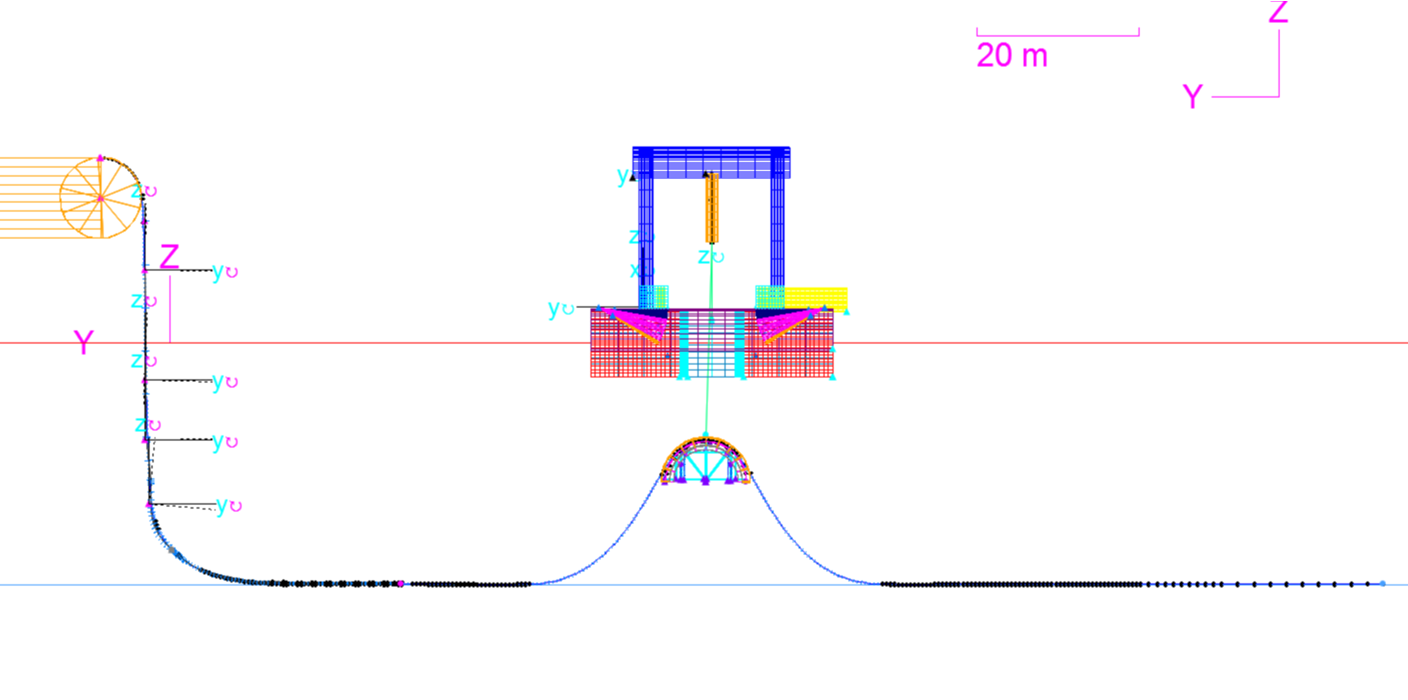
Cable Pull-in Analysis (2nd end)
Cable 2nd end pull in analysis to determine operability limits (Hs,Tp) during cable installation from vessel to OWP. Four snapshots are taken during the analysis sequence: cable end approaching CPS; cable end inside J-tube (quadrant on deck); quadrant upended; quadrant lowered to middle of water column (picture). Time domain results of cable curvature, tension, side wall pressure were compared to mechanical limits to deteremine operability limits of the installation.
Year: 2023
Commodity: Cable Lay Vessel
Software program(s): AutoCAD, OrcaFlex
Product: Installation Analysis
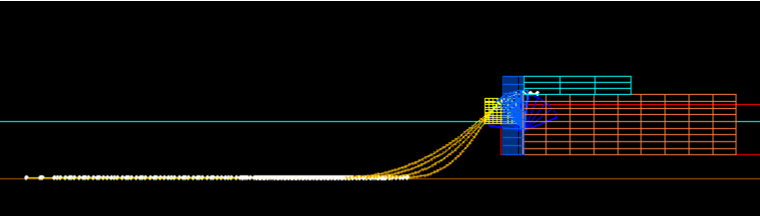
Cable Lay and burial
At the jointing and OSS locations a cable abandonment operation might be required in severe weather conditions to prevent cable failure as contingency analysis. In the abandonment analysis the cable end is lowered from the vessel’s deck to the seabed (and vice versa for recovery analysis) while the vessel is on DP. The analysis checked on cable compression/tension; curvature for various residual tensions at the touchdown point.
Year: 2023
Commodity: Cable Lay Vessel
Software program(s): AutoCAD, OrcaFlex
Product: Installation Analysis
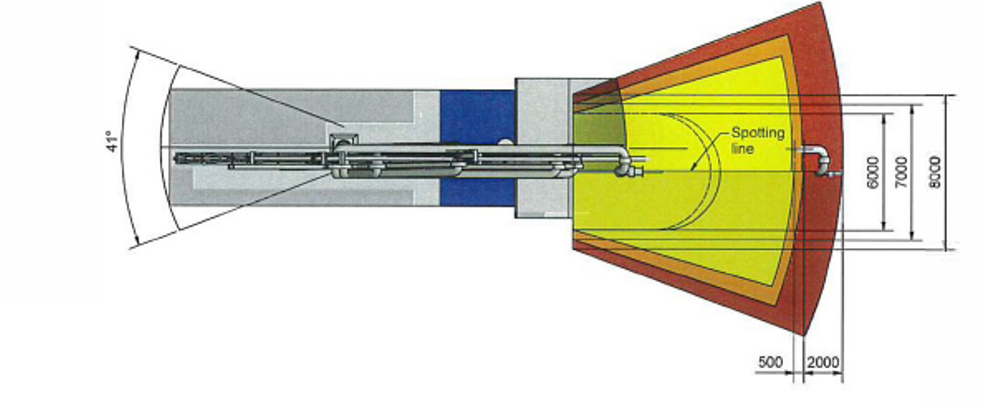
Manifold Envelope Mooring Analysis (wind)
A mooring assessment has been performed in ultimate (intact) and accidental limit (line failure) state due to wind loading to determine required manifold envelope within marine loading arm. The required manifold envelope was compared to the existing manifold corridor to determine cost effective solutions to mitigate risk from potential differences.
Year: 2024
Commodity: LNG tanker
Software program(s): DIFFRAC, aNySIM
Product: Mooring Analysis (Dynamic)
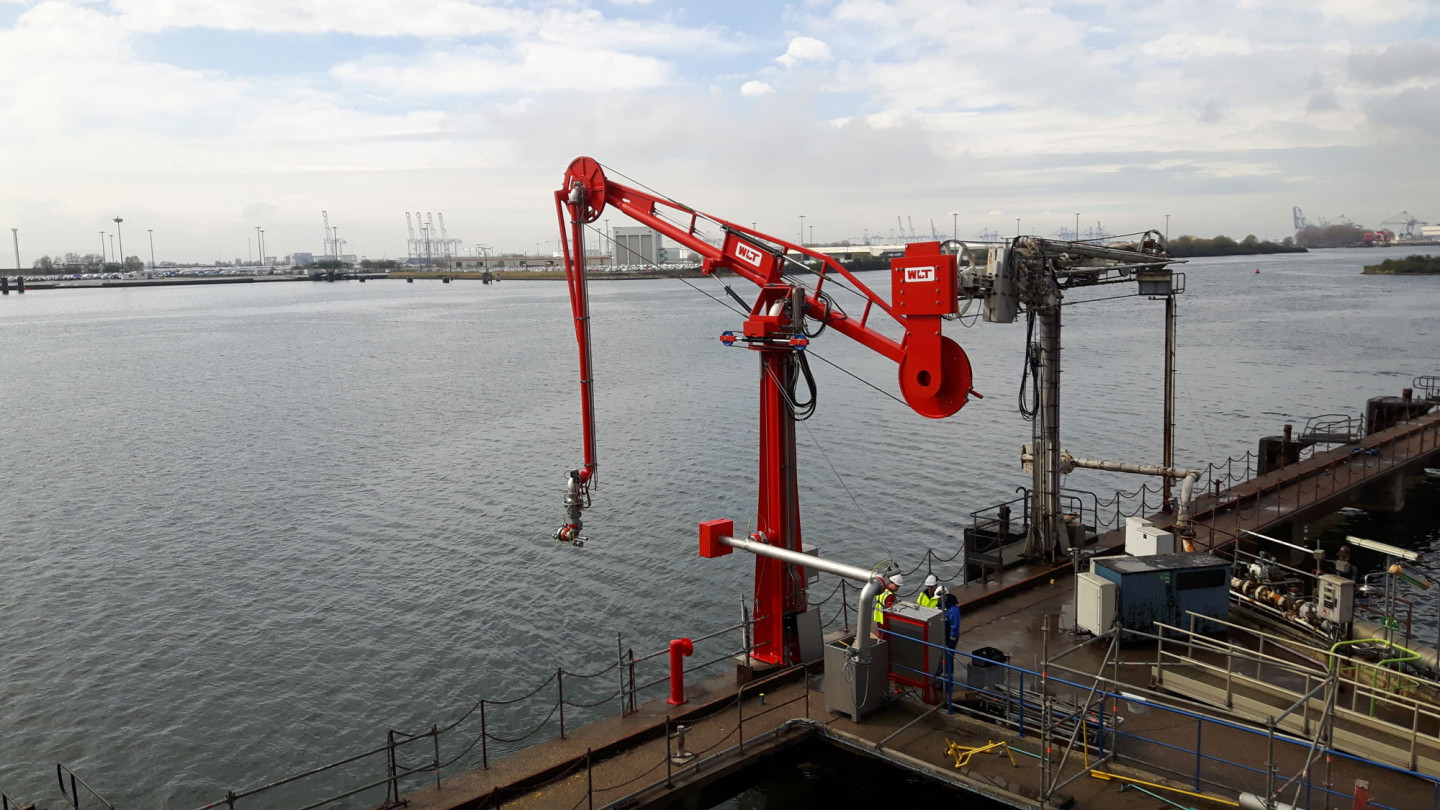
Manifold Envelope Mooring Analysis (passing vessel)
A mooring assessment has been performed in ultimate (intact) limit state due to passing vessel scenarios to determine required manifold envelope for further marine loading arm design.
Year: 2025
Commodity: LNG tankers
Software program(s): DIFFRAC, aNySIM, ROPES
Product: Mooring Analysis (Dynamic)
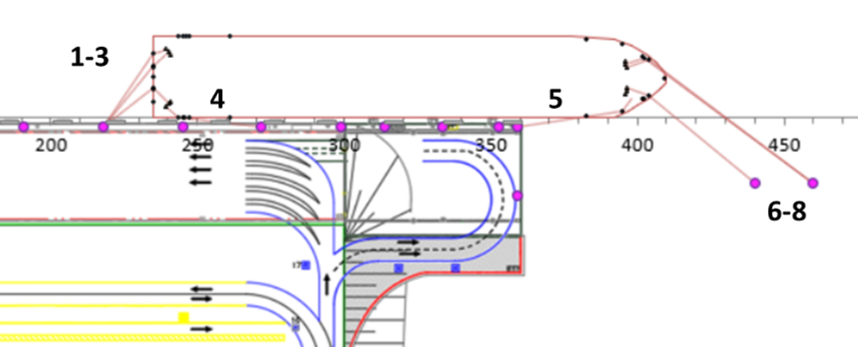
Quayside Mooring Analysis
A quayside mooring assessment has been performed. In order to accommodate a post panamax (360m) vessel on a shorter quay, mooring buoys are deployed. In this assessment the integrity of the mooring infrastructure (bollards, buoys) have been numerically evaluated for various return periods of wind & wave conditions.
Year: 2024
Commodity: General Cargo
Software program(s): AutoCAD, DIFFRAC, aNySIM
Product: Mooring Analysis (Dynamic)
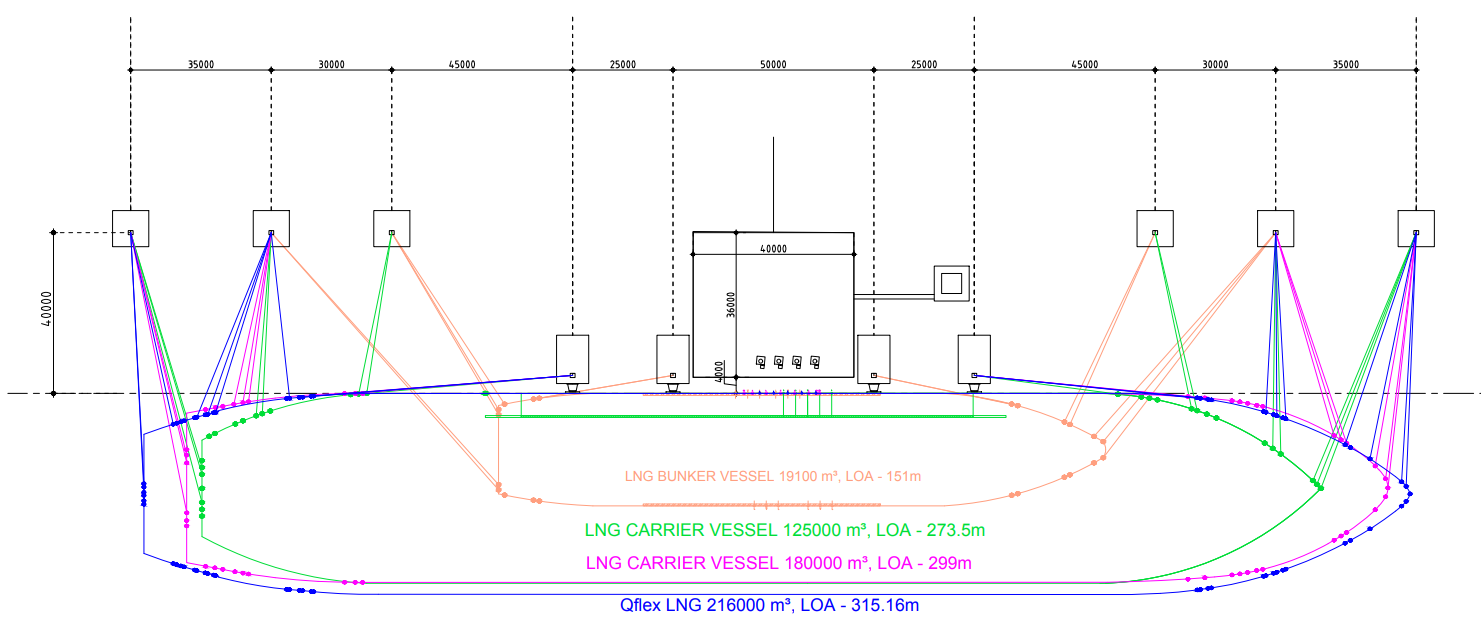
Downtime assessment
A downtime assessment has been performed for quayside moored spherical/membrane LNG vessels of various sizes (20k, 180k, 216k m3). Environmental conditions consider 10 year wind, wave and current hindcast data. Results were used for further economical evaluations.
Year: 2023
Commodity: Tanker, Bulk Carrier
Software program(s): AutoCAD, DIFFRAC, aNySIM
Product: Mooring Analysis (Dynamic)
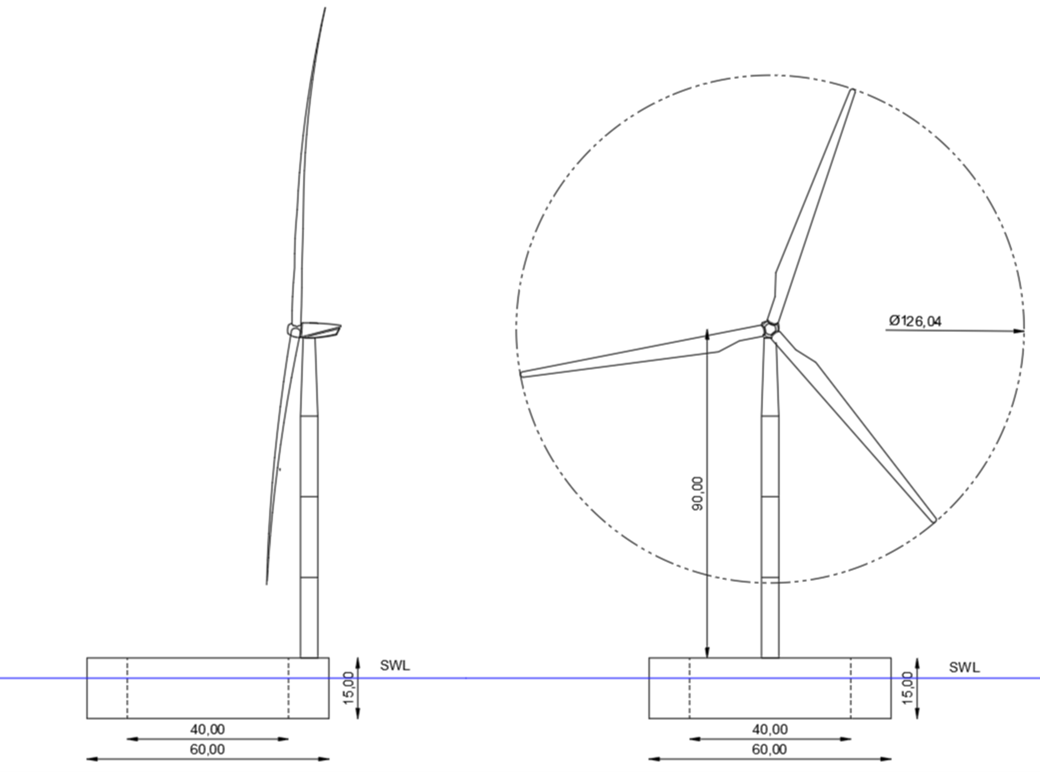
Mooring Analysis of FOWT
Station keeping analysis of a barge-type Floating Offshore Wind Turbine (FOWT) having a central moonpool. The mooring consisted of catenary mechanics. Operability limits (Hs,Tp) and downtime estimates based on Northsea metocean data were obtained.
Year: 2025
Commodity: Floating Offshore Wind Turbine
Software program(s): DIFFRAC, aNySIM
Product: Mooring Analysis (Dynamic)
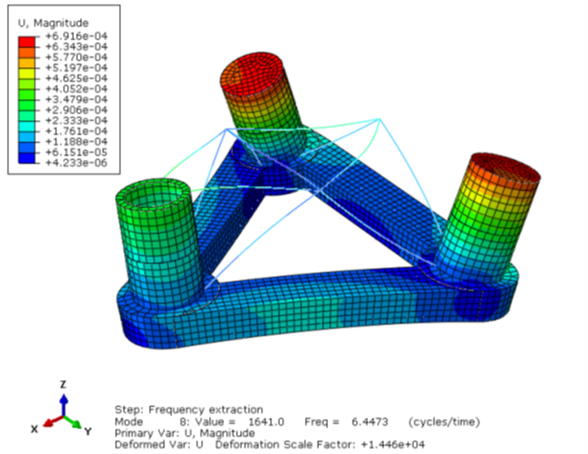
Finite Element Analysis of FOWT
Finite Elements Analysis (stresses, strains) of FOWT modelling by shell elements. Panel pressures obtained by linear diffraction software were fed to structural calculation.
Year: 2023
Commodity: Floating Offshore Wind Turbine
Software program(s): AQWA, ABAQUS
Product: Hydrodynamic Wave Load Analysis , Structural Analysis
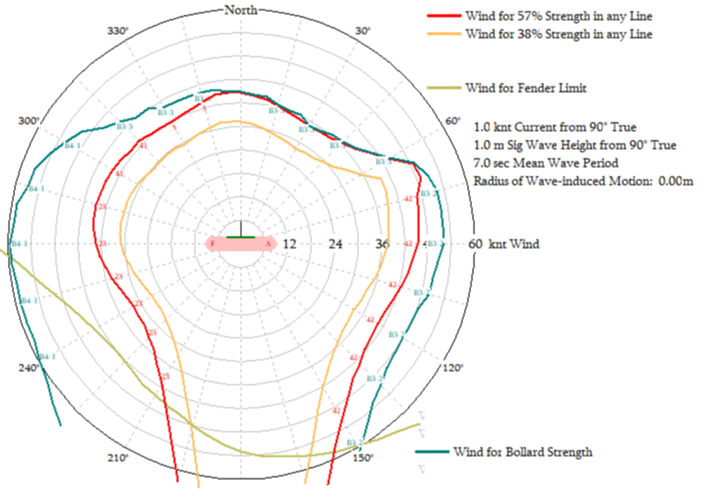
Quayside mooring Analysis
Obtaining operational wind speed limits for a quayside mooring operation (cable transspooling).
Year: 2022-2023
Commodity: Heavy Lift, Cable Lay Vessel
Software program(s): OPTIMOOR
Product: Mooring Analysis (Static)
Maritime Risk Assessment
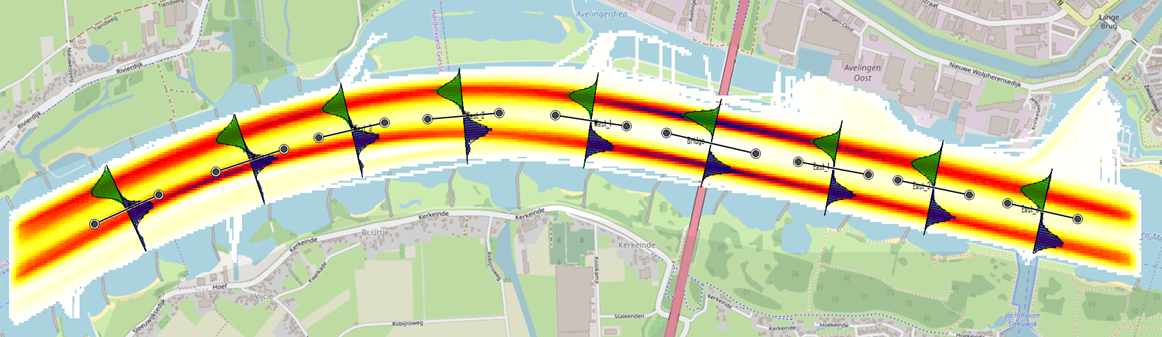
Desktop risk assessment where probabilities of ship collisions, allisions and groundings were calculated during 3 years AIS data.
Year: 2021
Commodity: Various
Software program(s): IWRAP MK2
Product: AIS Vessel Traffic Analysis
Channel Dimensioning Design
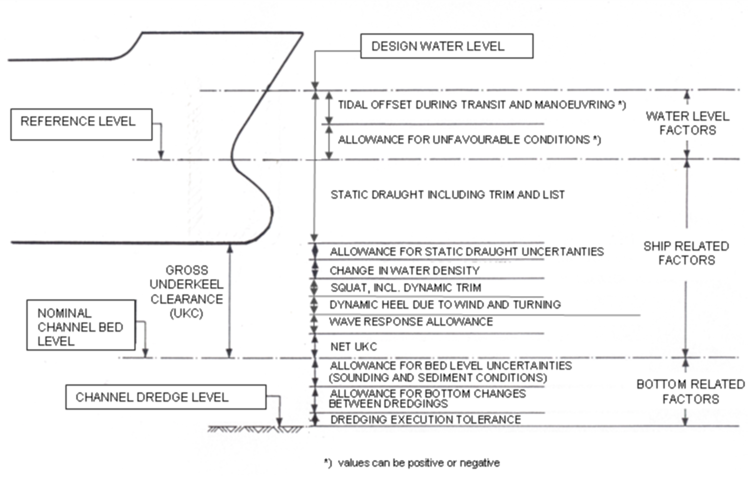
Design of vertical and horizontal channel dimensions using a probabilistic and deterministic design approach. Coupled offshore to nearshore transformed metocean data by SWAN modelling; vessel hydrostatics (loading conditions) calculations were used in stability parameters.
Year: 2025
Commodity: Bulk carriers (Capesize, & Valemax)
Software program(s): QSHIP SEACAL (MARIN), SWAN, GHS
Product: Dynamic UKC & Channel dimensioning
Vessel operability & workability assessment
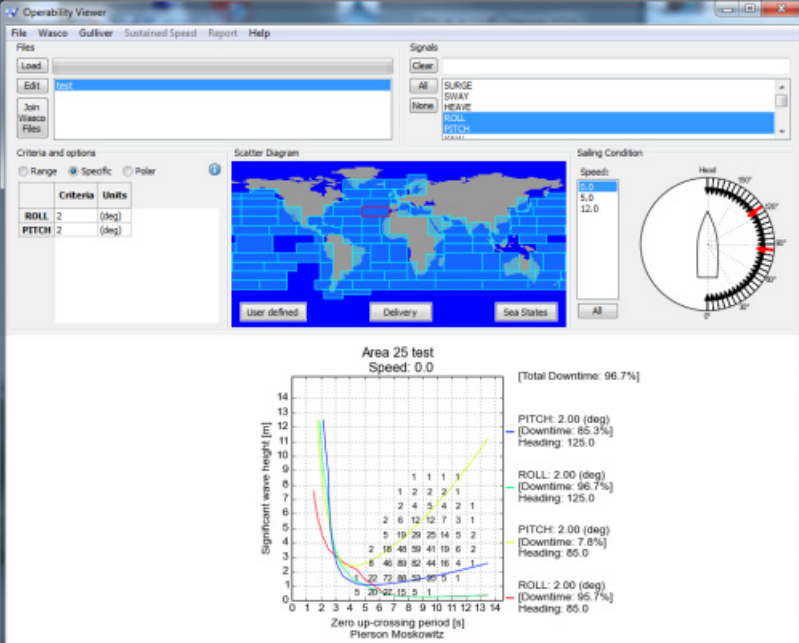
Created a generic vessel performance (motion, velocity, acceleration) database and defined operability (Hs,Tp) limits for various design parameters (water depths, sailing speeds, wave angles of attack, loading conditions). Using generic wave statistical data around the world, operability limits are defined.
Year: 2024-2025
Commodity: Bulk carriers
Software program(s): QSHIP SEACAL & OPCAL (MARIN)
Product: Operability & Workability
Passing vessel Study
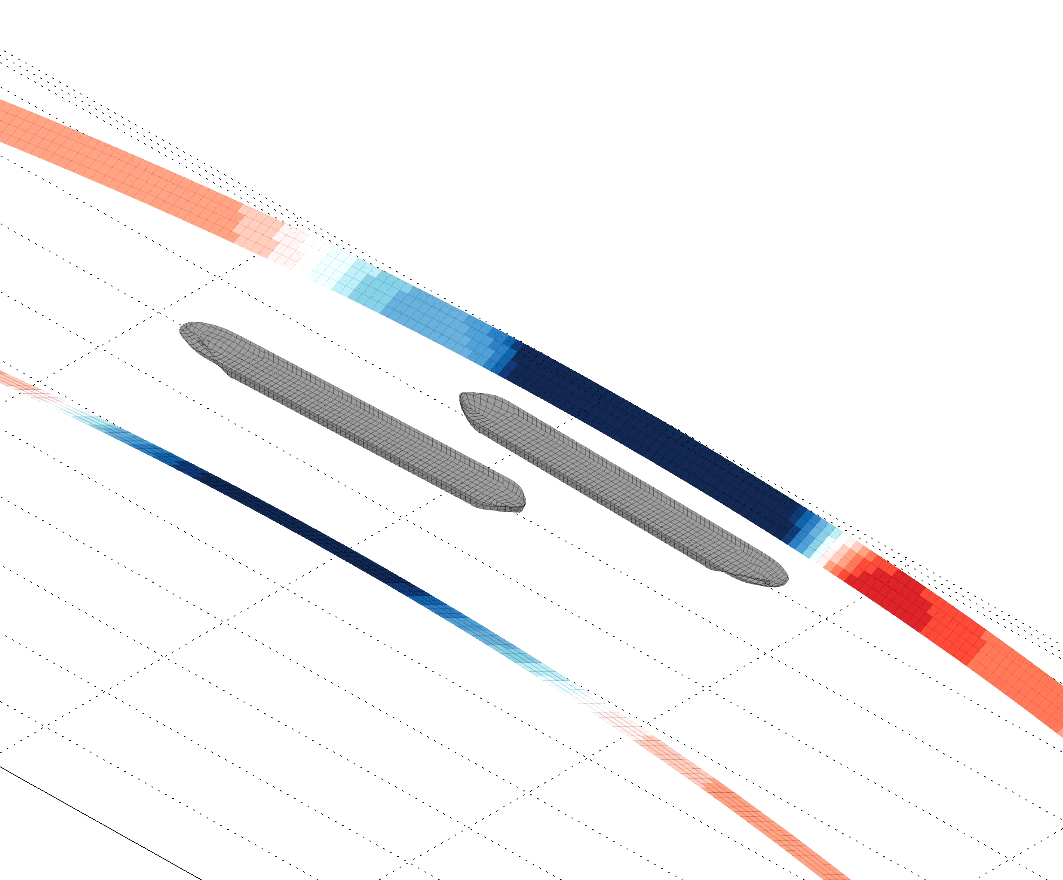
Obtaining passing vessel forces in a bended channel by double body flow method for opposing vessel traffic. Forces were then used as input for further real time maneuvering simulations to design channel width requirements for future vessel scenarios. Geometry was modelled by quarilateral panels.
Year: 2020-2021
Commodity: Bulk carriers
Software program(s): Salome, Passing vessel force software program
Product: Passing vessel study
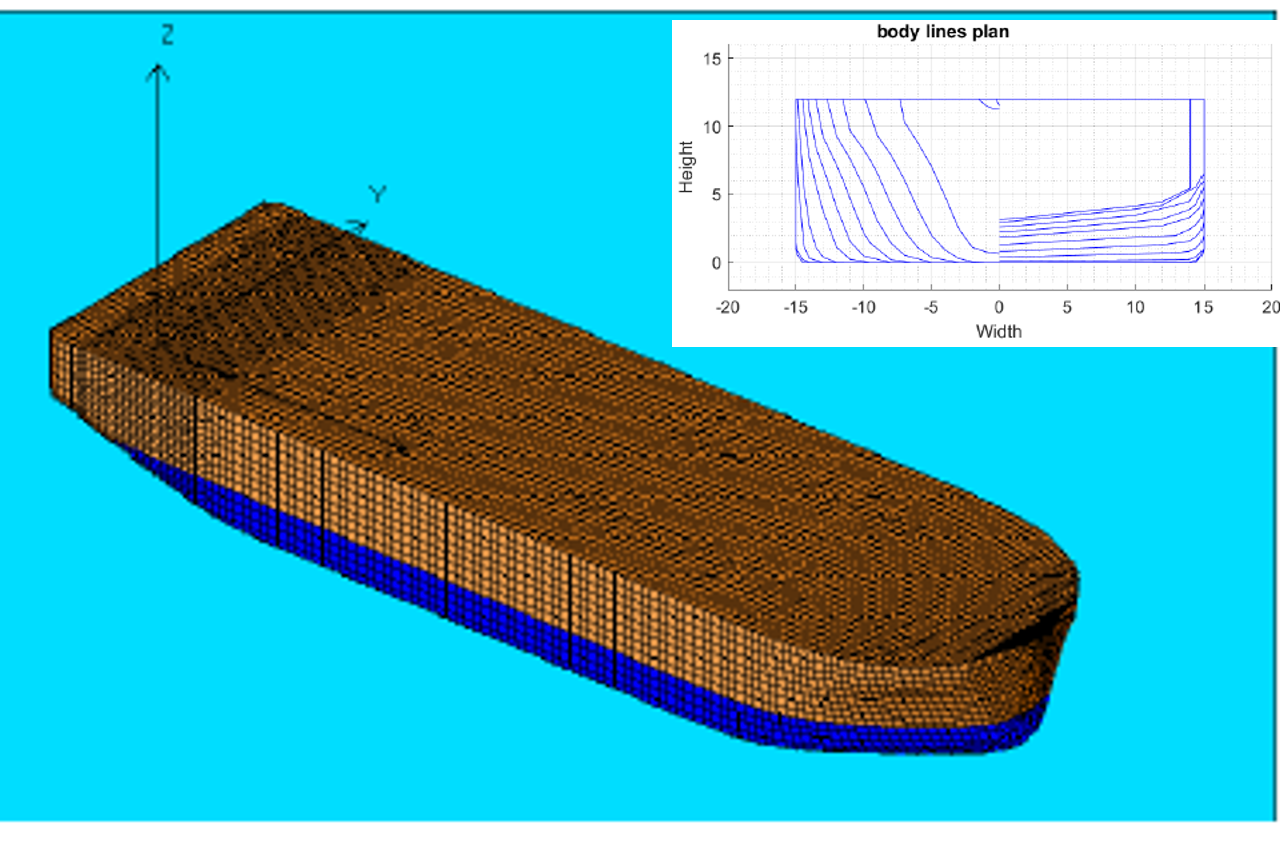
Vessel RAO Generation
Creating 3D vessel meshes and hydrodynamic databases based on linear diffraction software. The influence of quay walls, revetments and (partial) wave reflection can be included. This was done for approximately 100 vessels during 10 years with various software programs.
Year: 2016 - 2025
Commodity: Various (tanker, bulker, cruise, heavy lift)
Software program(s): AQWA, DIFFRAC, OrcaWave
Product: Vessel Hydrodynamic Databases
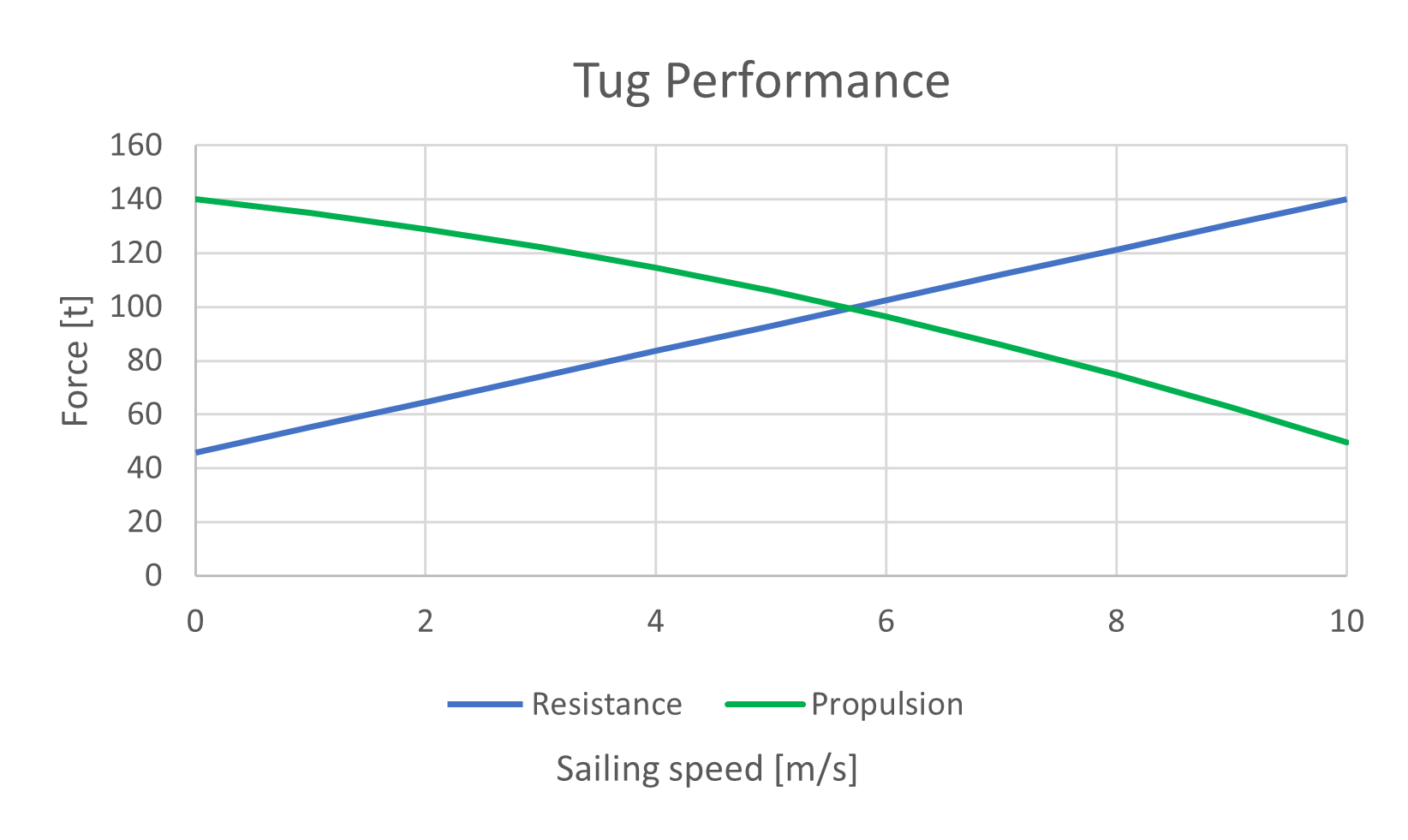
Bollard Pull Analysis
Bollard Pull Analysis to obtain required tug boat support (required thrust, sailing speed and number of boats)
Year: 2022-2023
Commodity: Heavy Transport
Software program(s): Excel
Product: Transport Analysis (vessel propulsion/resistance)
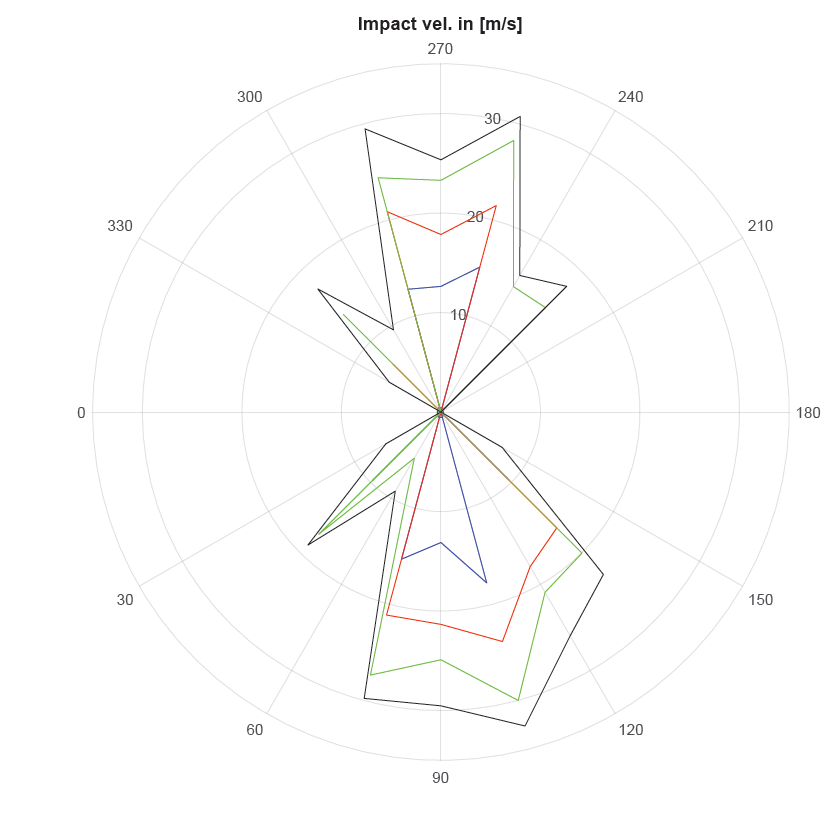
Wave Slamming Analysis
Calculated local relative wave velocities at monopile locations during vessel transport. Wave velocities were reported for various wave angle of attacks in certain seastates if the relative wave elevations exceed the height of the considered reference point.
Year: 2022-2023
Commodity: Heavy Transport
Software program(s): QSHIP (SEACAL + OPCAL)
Product: Transport Analysis (wave load)
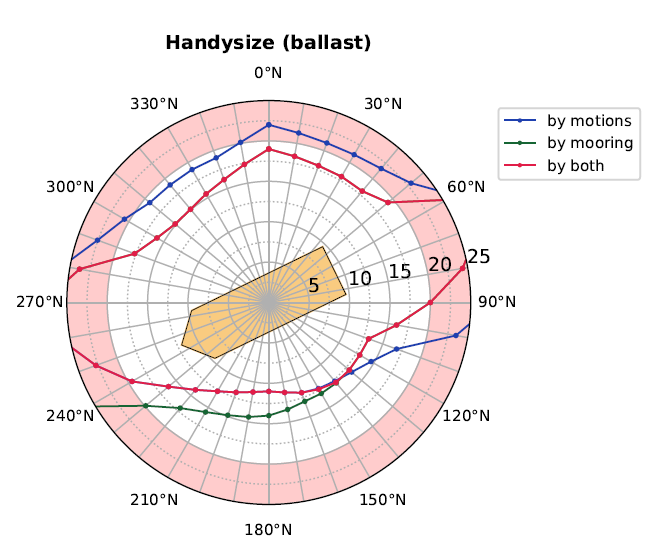
Quayside Mooring Analysis
Calculated wind speed limits (DMA) for various tanker configurations based on Dynamic Mooring Analysis. Different water levels and current speed/direction scenarios were included. Results were used to show that limits occur within port closing limits (marked in red). Consecutively, results were combined with wind statistics to obtain downtime estimates.
Year: 2022
Commodity: Tanker (Handysize, Handymax)
Software program(s): aNySIM XMF
Product: Mooring Analysis (Dynamic)
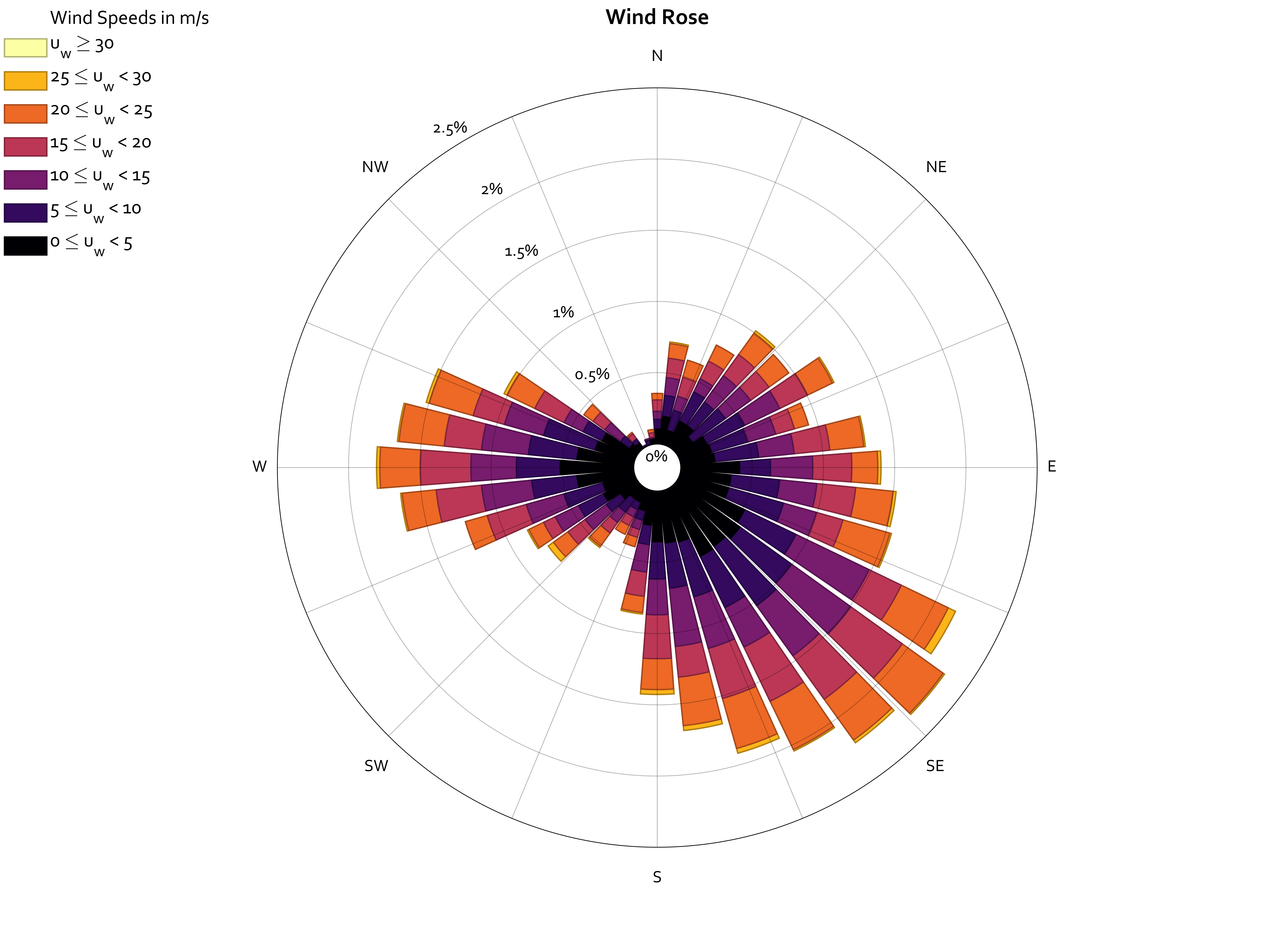
Environmental statistical processing
Processing longterm (>=10 year) offshore and nearshore environmental conditions from various datasources. Processing techniques included extreme value analysis (including block chain maximuma, peak over threshold) and bootstrapping to obtain design conditions.
Year: 2016-2022
Commodity: None
Software program(s): Matlab, Python
Product: Metocean Analysis
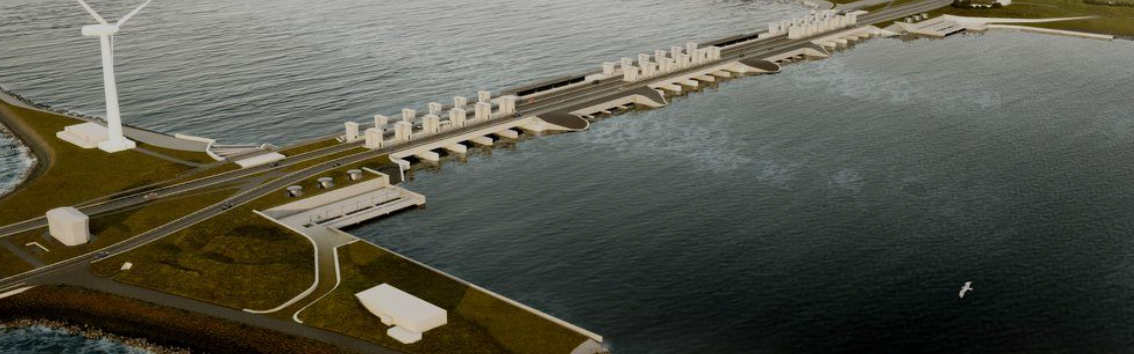
Hydraulic Engineering
Hydraulic design of various components of a new sea locks (Terneuzen, Afsluitdijk). The works consisted of derivation of partial safety factors using probabilistic analyses and evaluation of load combinations in various limit states according to (inter)national standards and guidelines.
Year: 2017-2018
Commodity: Lock Gate
Software program(s): Excel, MathCAD
Product: Hydraulic Engineering
© 2025 Leadline Maritime. All Rights Reserved.